


1. Password-less logins
The tried-and-tested way to log on to a bank or fintech's web portal is for the user to enter a username and password.
The seemingly unstoppable rise of online fraud — social engineering scams increased tenfold between 2023 and 2024 — has led many banks to add an extra layer of security to the process, usually via a one-time password (or OTP). But, seeing as SIM-swaps are one of the fastest-growing types of fraud, the usefulness of OTPs is also under threat.
The solution, offered by 7.25% of the 205 firms we analyzed for this article, is to remove usernames and passwords altogether.
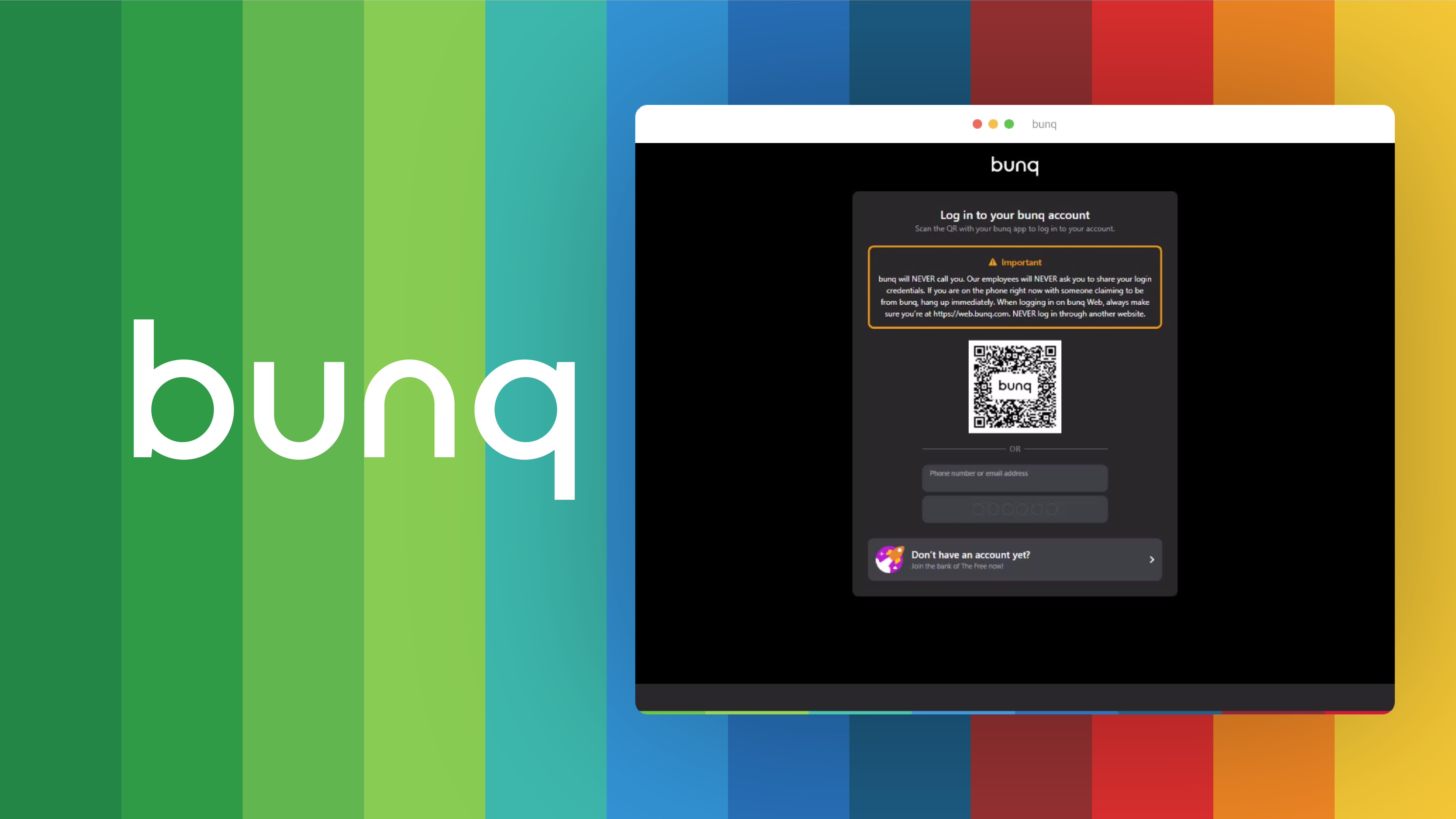
Instead, the user scans a QR code with their mobile banking app, on the device they paired to their account. It's quicker and safer, because there's no risk of credentials being leaked. Verification is encrypted and device-based.
2. Savings spaces
No matter how streamlined the process is, opening a savings account inevitably requires the user to provide personal details, documents, signatures and other information. So, some firms are circumventing this via savings spaces.
Savings spaces — or pots, or pockets, or vaults, depending on the firm — operate in the exact same way as savings accounts. They allow users to set money aside, and earn interest. Challengers tend to deploy this functionality through a simple, digital-only flow, so setting it up takes seconds.

Because they've been around for quite some time, savings spaces might not seem innovative. But, at 20.8% of our sample, the firms that support this capability are still a small minority.
Savings spaces also have another benefit: they're extremely simple to close. In the implementations we looked at, such as Revolut's, the user swipes, and that's that. An everyday gesture replaces what, among legacy firms, can be a lengthy process.

3. Drag-and-drop own-account transfers
The typical workflow involves some or more of the following steps: selecting the source and destination account, keying in the amount and, possibly, typing a reason for the transfer, and confirming the transaction.
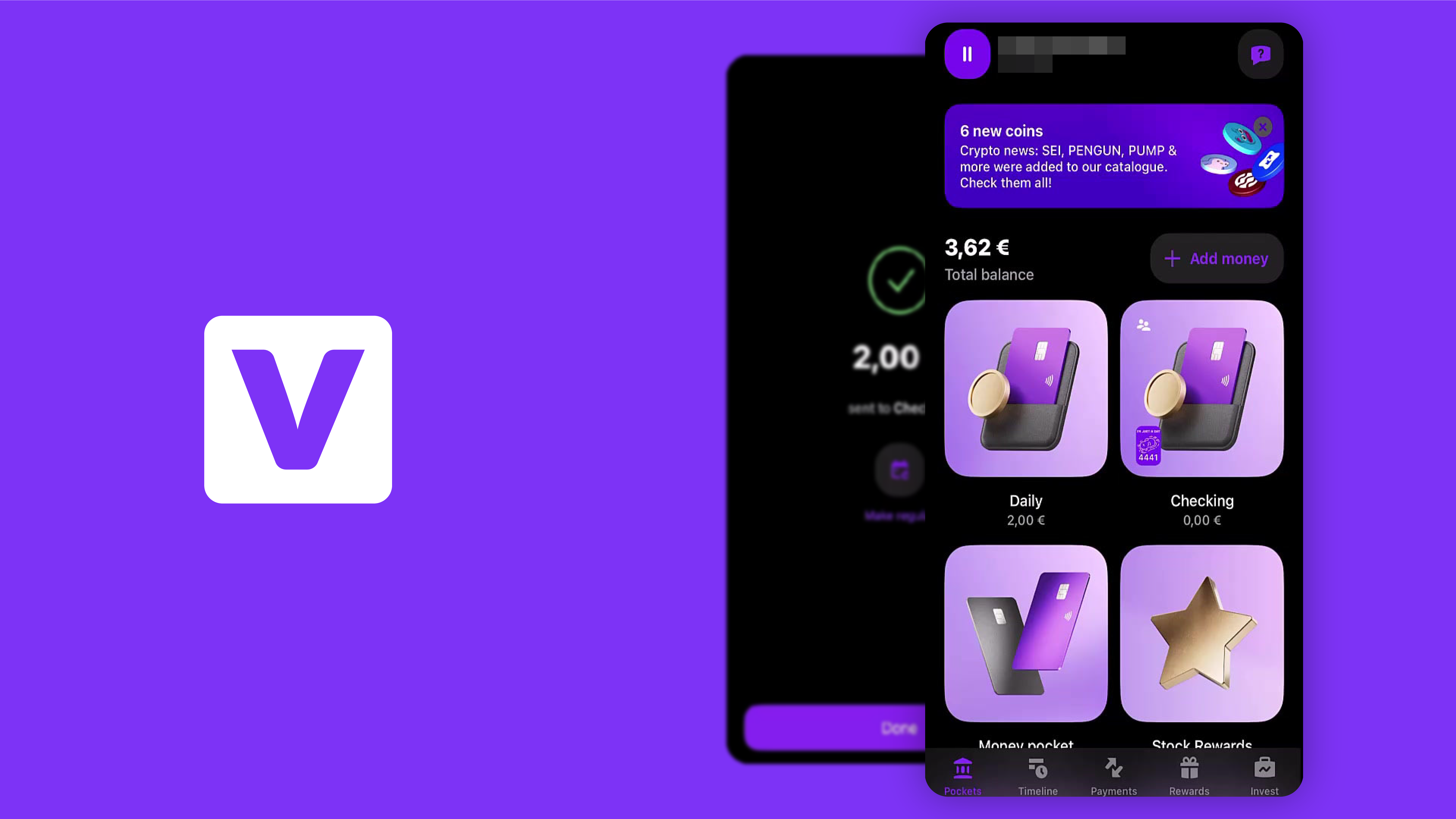
But 2% of firms have taken a radically different approach: drag and drop. On the home screen, the user picks the sending account, drags it onto the destination account, and selects the amount.
No need to navigate through multiple menus, pick an account from a drop-down list, or go through confirmation steps that create friction and could be skipped, since the user is sending money to themselves.
4. QR code-based P2P transfers
Sending money using a contact's phone number is already quick and simple. But 53.3% of the firms in our sample have streamlined it further via QR code-scanning.
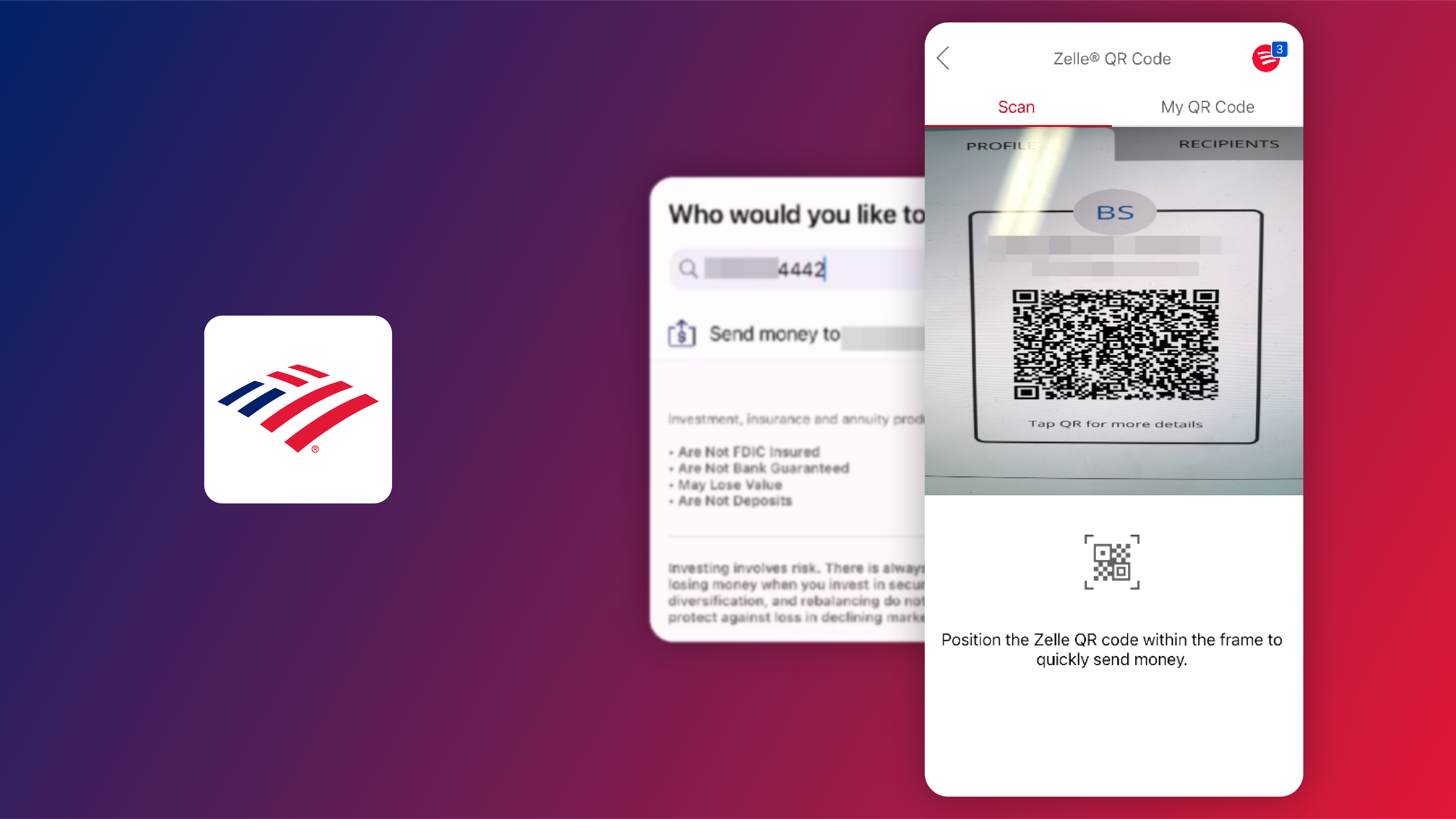
The recipient generates a code pre-loaded with their information, and the sender pays by scanning it. It's quicker, more convenient, and less prone to mistakes like keying in a wrong digit.
5. Optical code-based bill payments
The traditional way to pay a bill manually entails typing the merchant's details. But 24.04% of our sample support payment by scanning an Optical code.
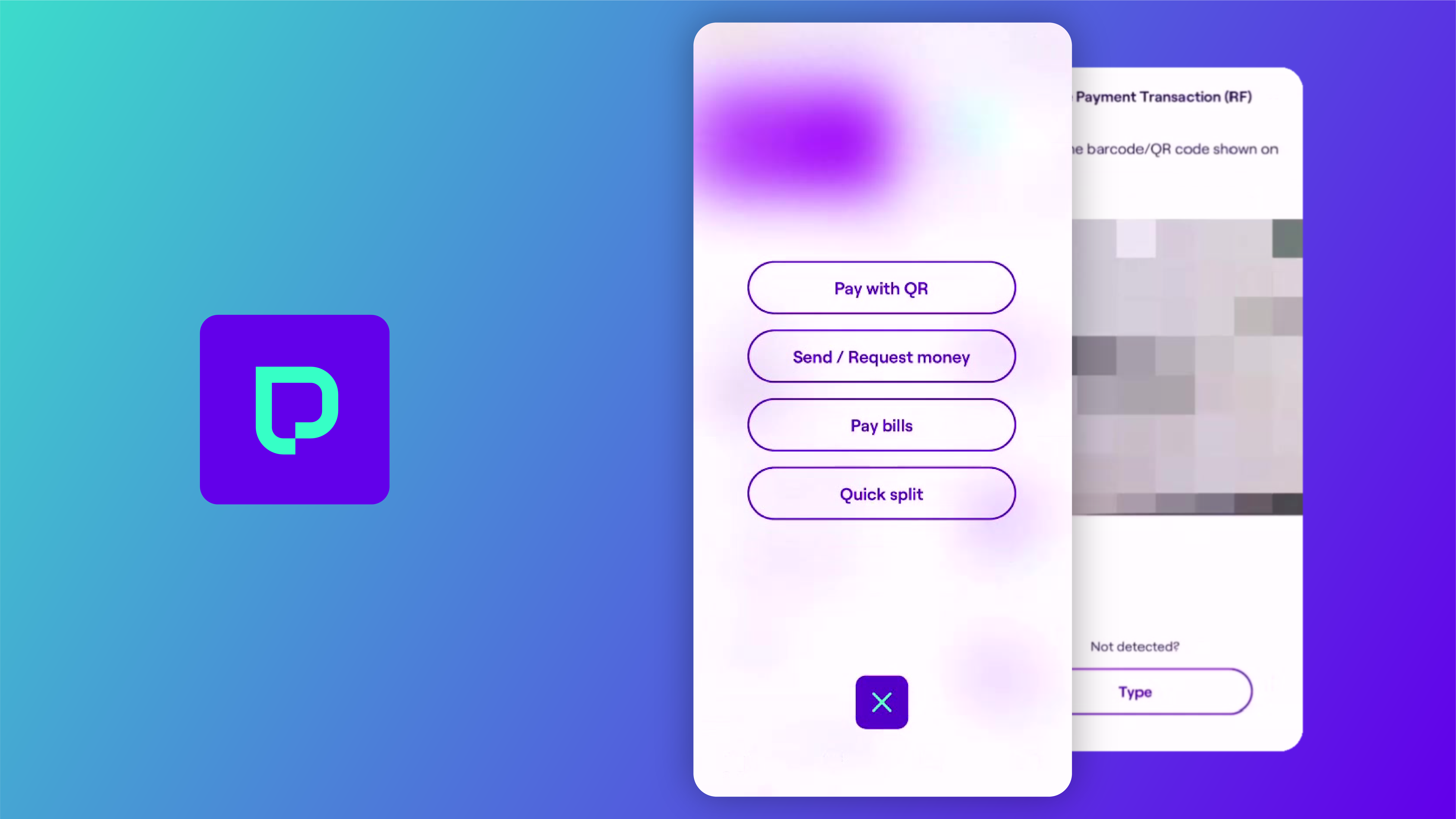
Optical code-based merchant payments dominate in China, but have remained niche in the West, where the go-to payment technology is contactless. Perhaps it's time to re-evaluate?
6. Virtual and disposable cards
Why make the user wait for a debit card and PIN to arrive in the mail when they could add a virtual-only card to their digital wallet and start using it straight away?
18.5% of the firms in our sample allow users to create virtual cards — digital-only debit cards they can add to Apple Pay, Google Pay, or their digital wallet of choice.
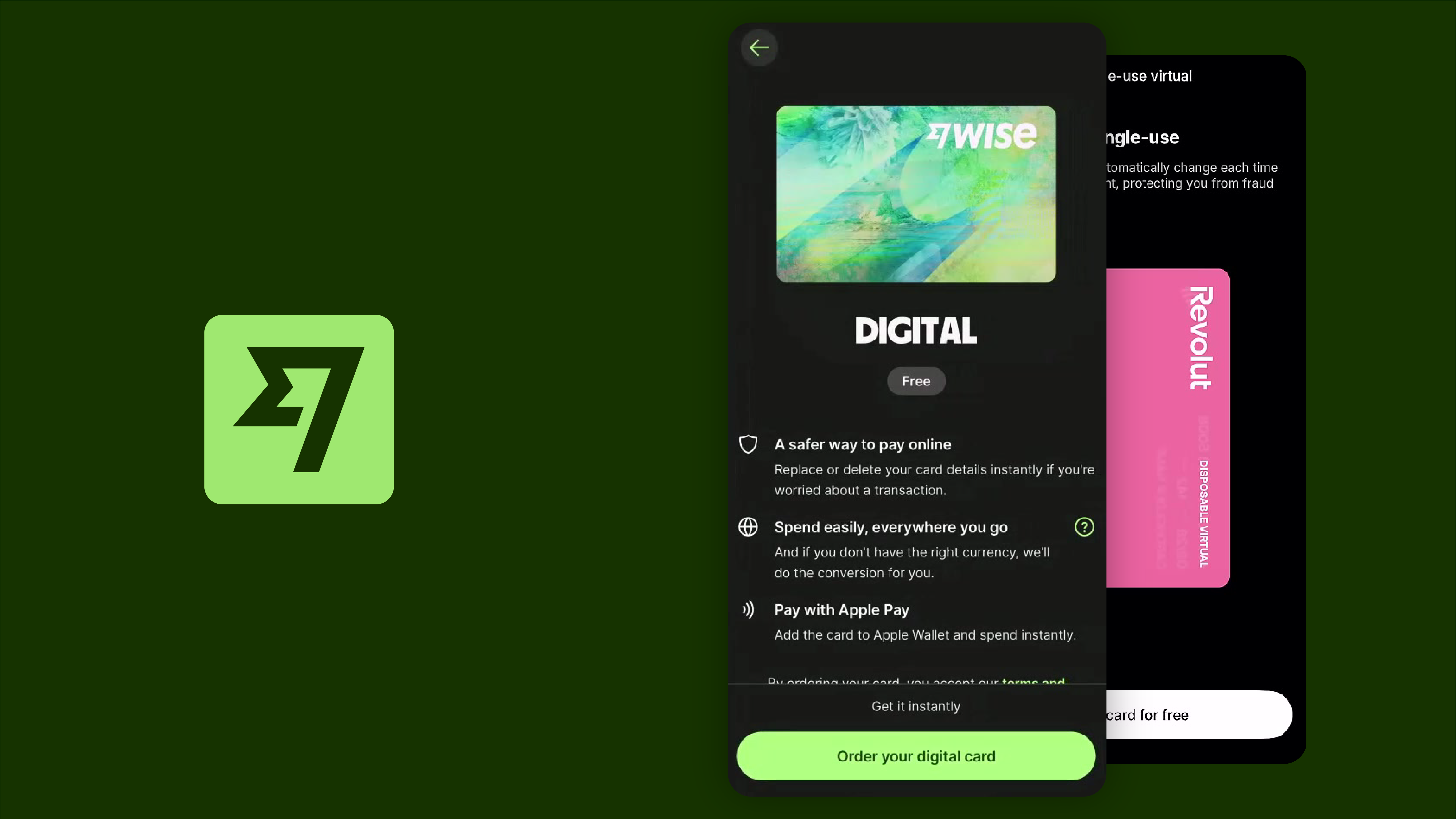
Speed and convenience aside, virtual cards are also more secure. Unlike physical cards, they aren’t sent by snail mail and can’t get lost or stolen — and if a virtual card is ever used on an unverified site, it can be deleted and replaced instantly.
Taking it a step further in terms of security, 17.02% of our sample also enable users to create disposable virtual cards. When the user completes the transaction, the card's details change, so the risk of fraud is extremely low. Should bad actors get their hands on card details, they can only make one transaction.
7. Travel-focused expense analysis
Expense analysis might seem like it has little room for innovation, as it's a breakdown of the user's spending. But, 0.81% of our sample have taken it to the next level by adding a travel element. The app recognizes trips overseas and breaks down expenses by destination.
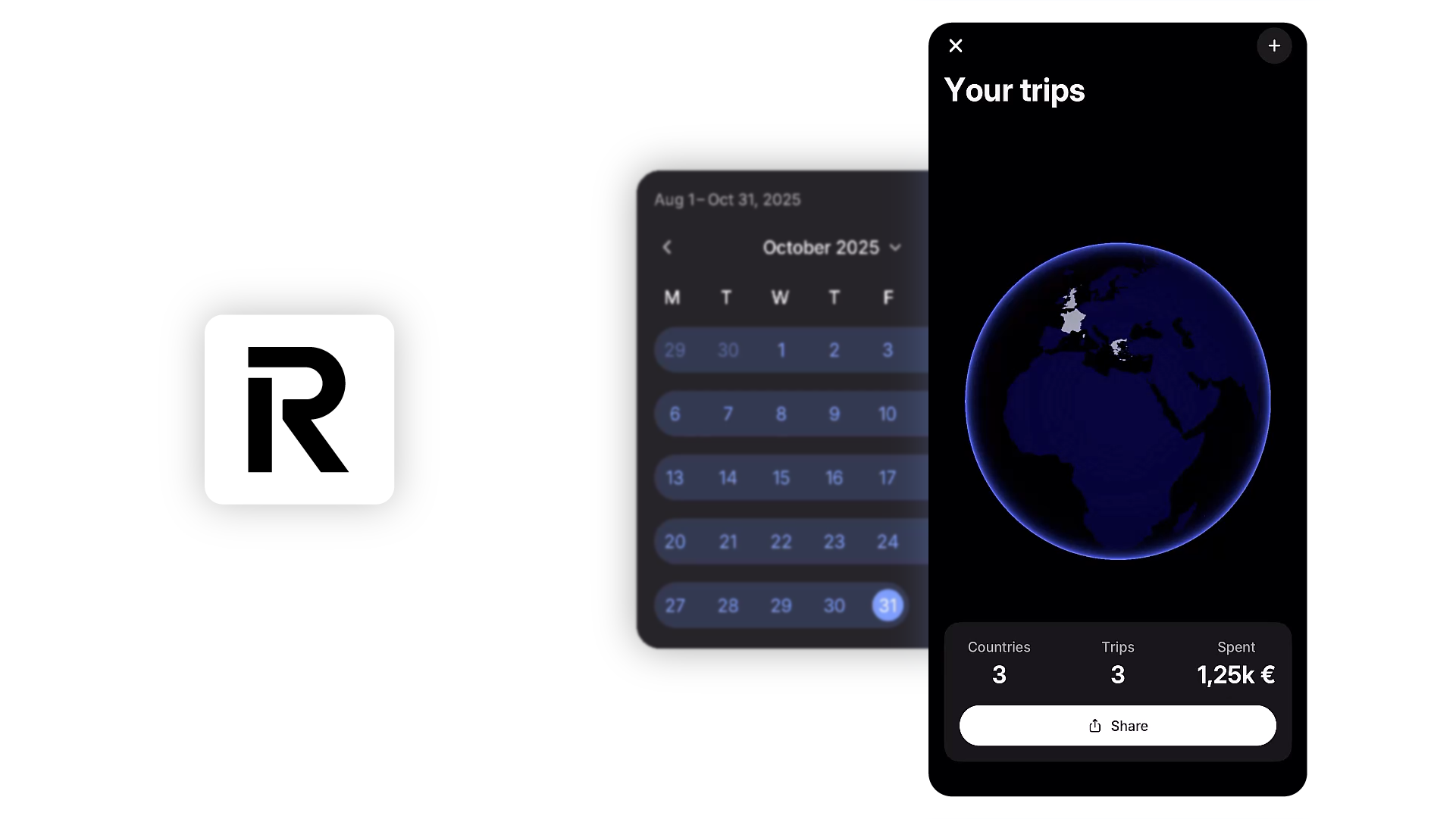
This is especially useful for frequent travellers, helping them see how much they spend in every country at a glance and making it easier for them to stay on budget.
8. Advanced bot agents
Most chatbots today behave more like interactive search tools than assistants: good at answering basic questions but unable to handle more advanced requests.
This is a missed opportunity for banks, because AI-powered chatbots have several benefits — cost savings, greater efficiency, and, crucially, real-time, round the clock availability.
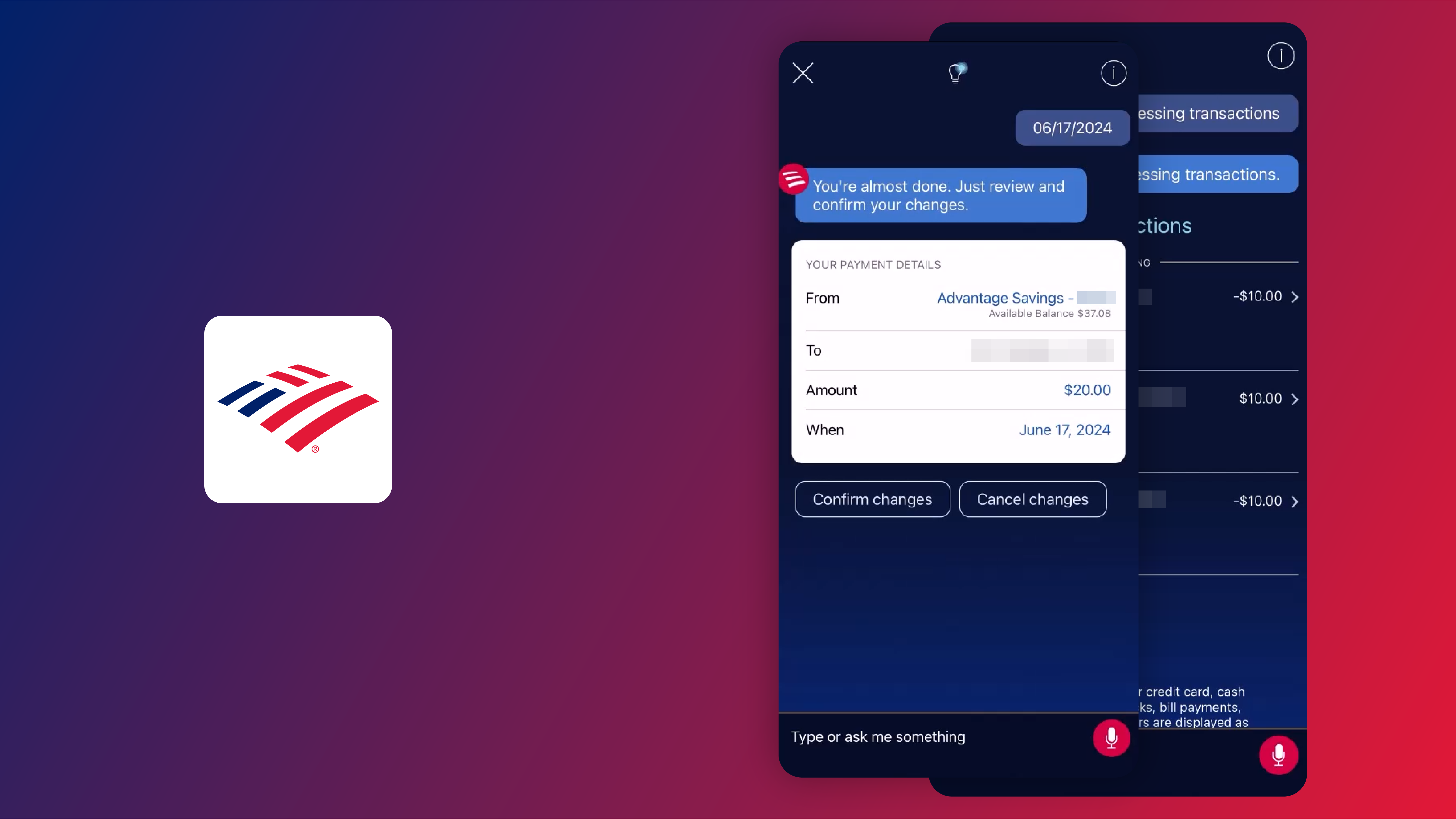
The 3.07% in our sample with standout chatbots deploy natural language processing to automate routine tasks and handle other multi-step workflows. Users get more out of these chatbots, and consumer representatives have less on their plates, reducing waiting times for the specialized issues that do need human intervention.
9. Automatically updated personal details
Manual data input. OTP confirmation. Uploading supporting documents.
Something as simple as changing addresses can quickly become needlessly bureaucratic and frustrating. But how can banks streamline it without compromising on security?
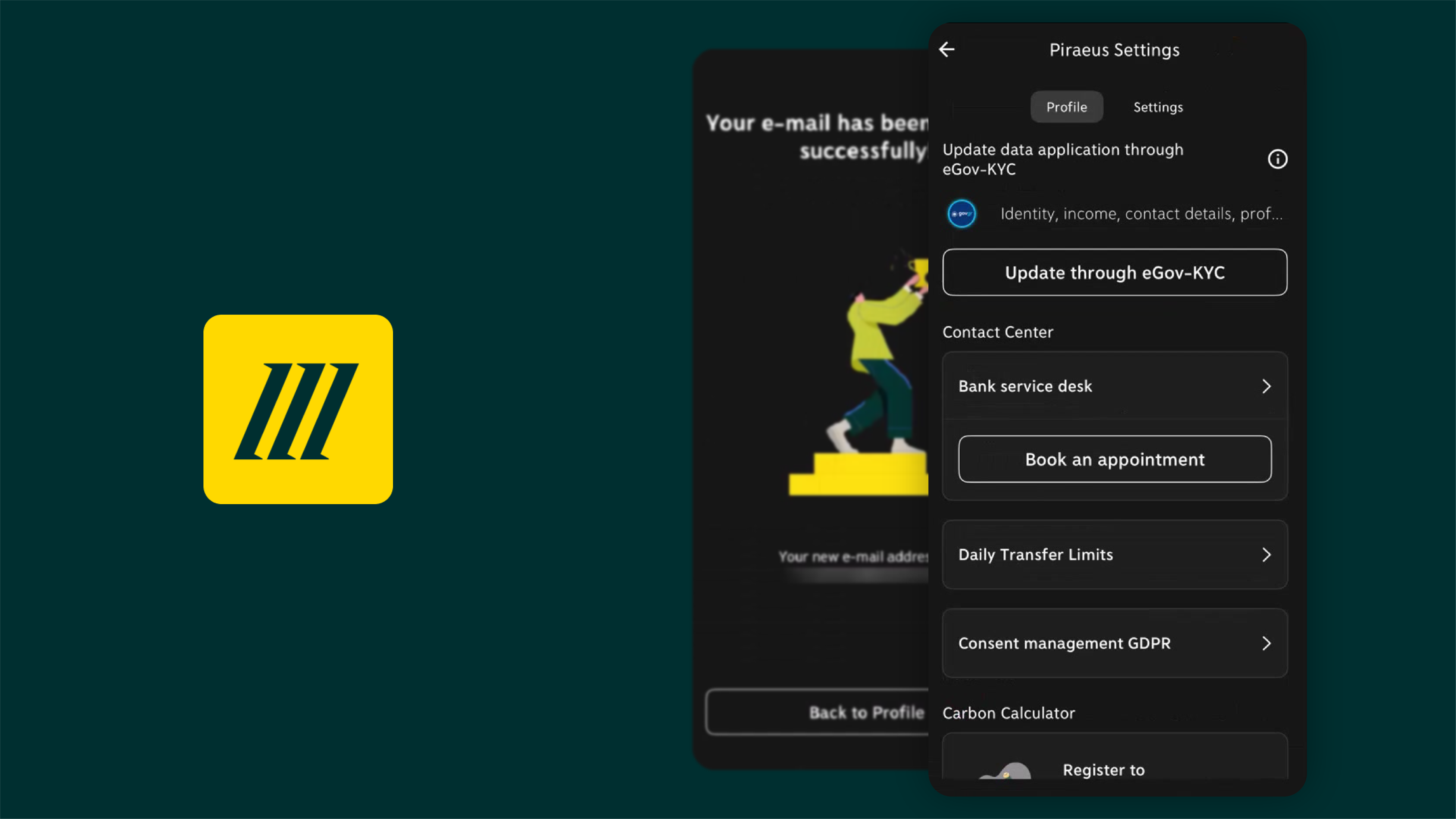
4.35% of the firms in our sample automatically retrieve and verify information via government services. So, if the user moves house, for instance, a change in the address on their ID is automatically applied to their bank account.
For the firm to pull the data, the user must first connect to the relevant government service. Some firms in our sample provide a secure connection directly through the app.
Innovation isn't always about big moves
Michelin-starred chef Marco Pierre White says that "perfection is lots of little things done well."
We'd argue this advice is just as useful in digital banking. Small improvements add up, and their effect can become just as — if not more — impactful than one major breakthrough.
Our digital banking research platform FinTech Insights makes it easy to evaluate unique approaches and study best practices your product teams can use to speed up innovation.
Ready to uncover your next breakthrough?

Build a digital banking strategy that can't be challenged
Let's show you how FinTech Insights can help you wow your customers, on every login.